

Marine Science
Mapping movements of marine megafauna shows protection must go further
Global tracking data provides new insights into how marine creatures use ocean spaces and highlights the need for additional measures to achieve conservation targets.


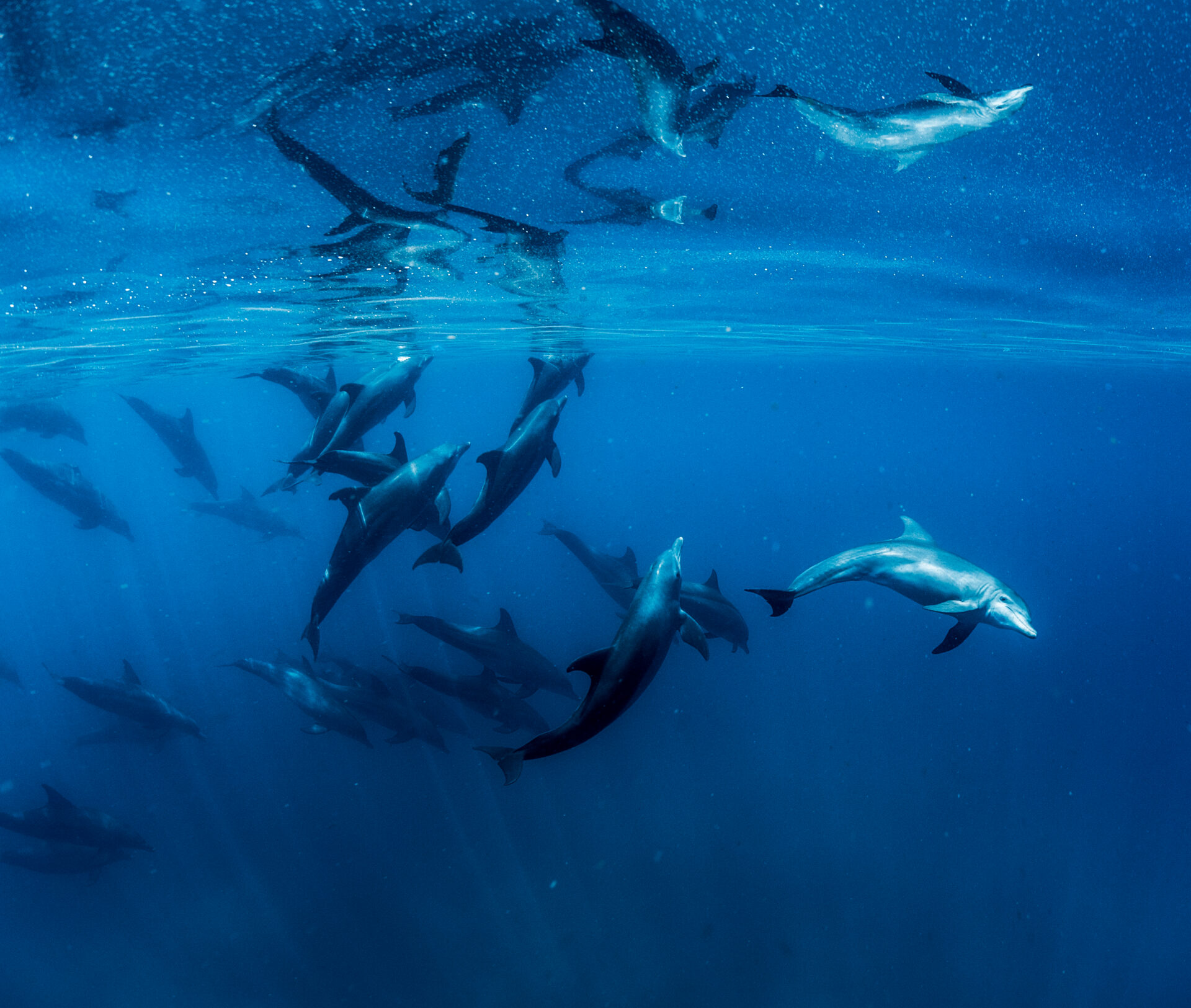
International plans to increase marine protected areas (MPAs) to cover 30 percent of the world’s oceans by 2030 will not be sufficient to conserve many of the world’s largest marine creatures, according to new findings[1] by hundreds of international scientists including KAUST researchers as part of the MegaMove[2] project.
Habitats and ecosystems in the world’s oceans face growing threats, from anthropogenic activities, such as fishing and industry, to the deeper pressures posed by climate change. Tied to the fate of the oceans are the fates of marine life, from the smallest creatures to the largest – marine megafauna. Over a third of marine megafauna species, including the hawksbill turtle, the North Atlantic right whale, and the shortfin mako shark, are now threatened with extinction.
Recent global commitments via the United Nations High Seas Treaty and the Kunming-Montreal Global Biodiversity Framework (GBF) seek to protect, conserve and manage at least 30 percent of the world’s oceans. But this is unlikely to be enough.
“Protecting the ocean requires a clear understanding of how marine life actually uses ocean spaces,” says Carlos Duarte, marine scientist at KAUST. “Imagine if pedestrian crossings were just randomly deployed in cities, rather than being concentrated in the busiest areas where they’re needed most? Understanding how marine megafauna use the oceans for migration, residency, feeding and breeding is critical to developing effective protection and conservation strategies.”
Duarte and hundreds of scientists across the world collaborated to collate and analyze a vast marine megafauna tracking dataset: 11 million geographical positions gathered over three decades from 15,845 tracked individual animals across 121 species of marine megafauna. Their results show that both existing and proposed MPAs will need to be coupled with enforced mitigation strategies, including strict fishing regulations and separation of wildlife and boat traffic, if they are to achieve international goals for marine megafauna conservation.
A monumental moment in movement ecology
“Marine animals are highly mobile, often engaging in large, basin-wide migrations,” says Duarte. “From the largest creatures, such as whales and albatross, to smaller fish like the endangered European eel, they all make epic journeys to breed and feed. Accurately tracking these movements is no small feat.”
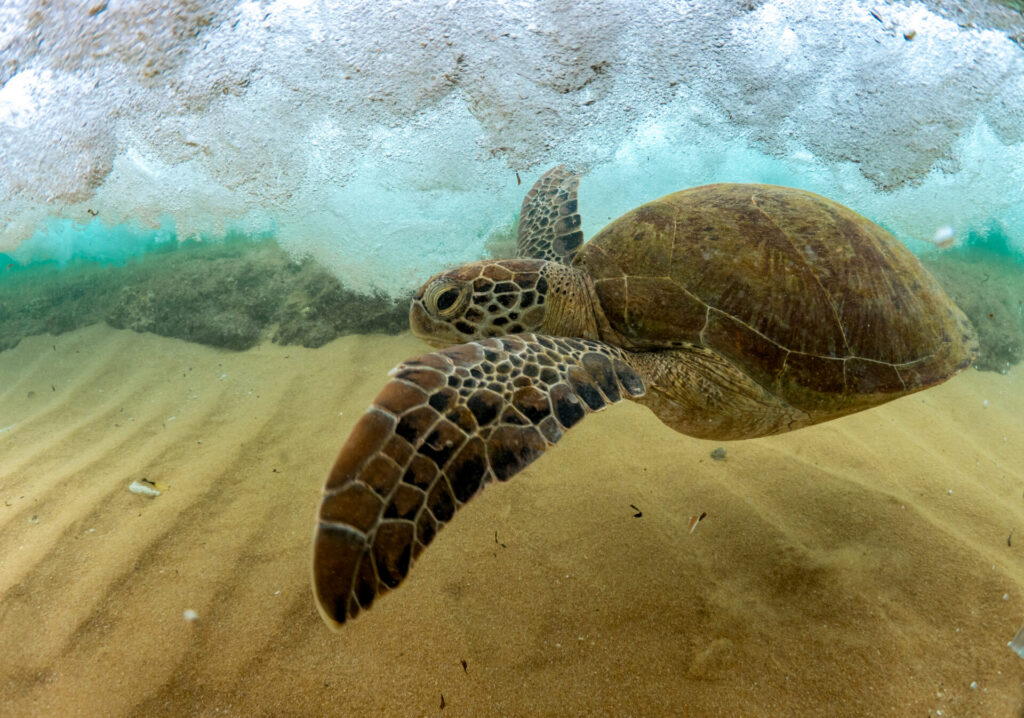
Advances in Big Data analytics, which combines data from multiple animal tagging and tracking programs, have made large-scale tracking of marine animals possible. The MegaMove project was founded in 2020 based on Duarte’s vision that collaborative science and Big Data could accelerate understanding of how large marine animals use the oceans. It combines expertise and vast datasets to provide robust evidence for international marine policies and treaties.
KAUST hosted one of the foundational workshops that helped launch MegaMove. But challenges remained, not least persuading scientists to share their hard-earned datasets.
“Animal tagging is very expensive: buying sensor packages, paying for vessels and staff to catch the target animal in the wild, and then paying for satellite data transmission,” says Duarte. “It is perhaps no wonder that researchers have been reluctant to share their data.”
Over the past six years, MegaMove has helped change attitudes toward data sharing in the biologging community, Duarte notes. After demonstrating how large-scale data analytics can reveal patterns in marine animal behavior, researchers are now voluntarily contributing telemetry datasets to the project.
Unlocking the power of telemetry data
For the current study, the team developed their own data analytics tools to unify all the data acquired across species and years into a single ‘biology year’ of movement in the ‘global ocean’. They then classified each individual geo-position based on the activity of each creature, labeling each position as ‘migrating’, ‘feeding’ or ‘reproducing’.
“By aggregating data from individuals and species, we created a synoptic map of the world’s ‘hot spots’ for feeding and reproduction, and highlighted the migration corridors of marine megafauna,” says Duarte. “This revealed previously unknown features of their use of ocean space.”
The team then aligned these data insights, including their synoptic map, with existing MPAs and exclusive economic zones (EEZs). Existing MPAs encompass only 7.5 percent of the total area used by creatures in the tracking dataset, and the animals spent over 85 percent of their time outside these protected areas. The locations of future MPAs therefore need careful consideration, and the team have estimated the best possible configuration of future protected areas to offer optimal protection to marine megafauna.
“Our results should help identify critical ocean areas for protection. Also, individual nations have strong enforcement capabilities within their own EEZ jurisdictions, so they can choose to actively regulate human activities that harm marine animals, and designate specific areas for conservation and protection,” says Duarte. “Considerable challenges remain in securing and enforcing marine protected zones for international waters.”
Coupling MPAs with stricter regulations
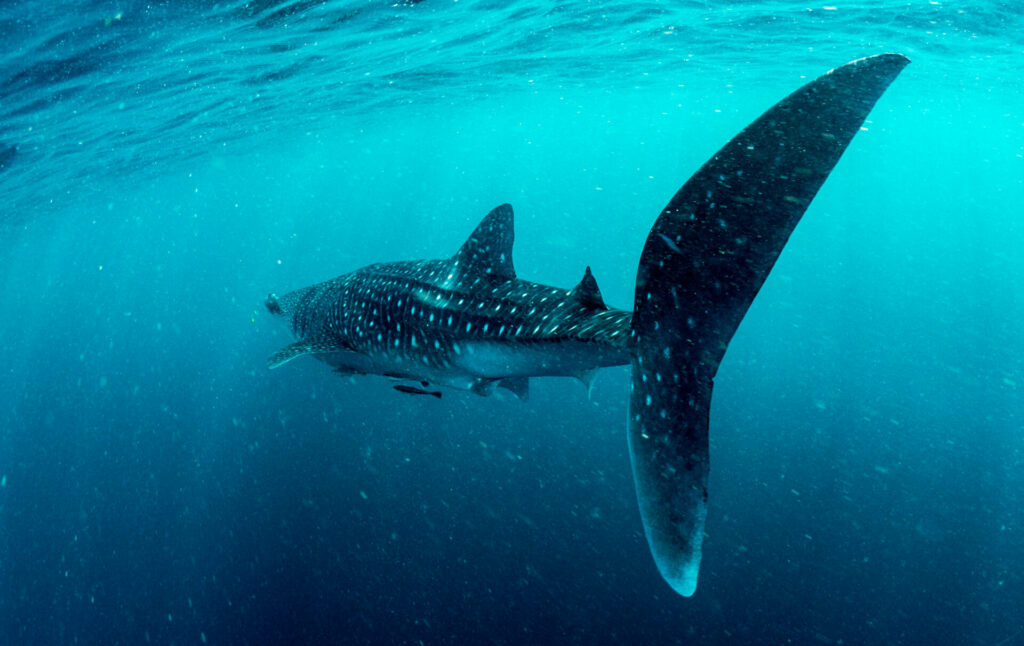
The researchers also examined global datasets regarding threats to marine wildlife, including fishing intensity, shipping intensity, plastic density, and water temperatures. Every year, an estimated 3,000 great whales are killed by ship strikes, and the MegaMove project has also identified ship strikes as the top source of mortality for whale sharks, the largest fish in the ocean. The team also found noise pollution from human activities to be ubiquitous across the oceans.
Their results suggest that additional forms of ocean management will be needed to curb existing threats and achieve the GBF’s goals. The team is calling for greater scrutiny of fishing and industry practices, increased enforcement, and improved direct management of marine ecosystems. Their findings should help redirect marine traffic to safer corridors and substantially reduce the risks of ship strikes on marine animals.
What’s next
The MegaMove project aims to strengthen the evidence base for marine megafauna conservation and expand participation from researchers around the world.
“Further insights are possible from long-term datasets describing movements of multiple individuals of the same species, but such datasets are not yet available. Long-term tracking data could reveal how animal movements change in response to pressures such as fishing and ocean warming, which we currently understand only anecdotally. Longitudinal studies will also allow us to verify and demonstrate the benefits of well-managed ocean protection zones,” concludes Duarte.
Reference
- Sequiera, A.M.M. et al. Global Tracking of marine megafauna space use reveals how to achieve conservation targets. Science 388, 1086-1097 (2025).| article.
- https://megamove.org/
ABOUT THE AUTHOR
Carlos Duarte
Ibn Sina Distinguished Professor

You might also like
Marine Science
Sustainable seafood sources could help close global nutrition gaps
Marine Science
Corals show ‘vaccine-like’ responses after pathogen exposure

Marine Science
Tracing 700 million years of cell evolution
Marine Science
Red Sea coral absorbs chemical contamination
Marine Science
Buying time for coral reefs
Marine Science
Measuring spatial differences in reef-building corals to guide future management
Marine Science
Potential gains from replenishing reef fish stocks revealed
Marine Science