

Marine Science
Potential gains from replenishing reef fish stocks revealed
Ensuring sustainable management of coral reef fisheries could provide food security and public health benefits for generations to come.


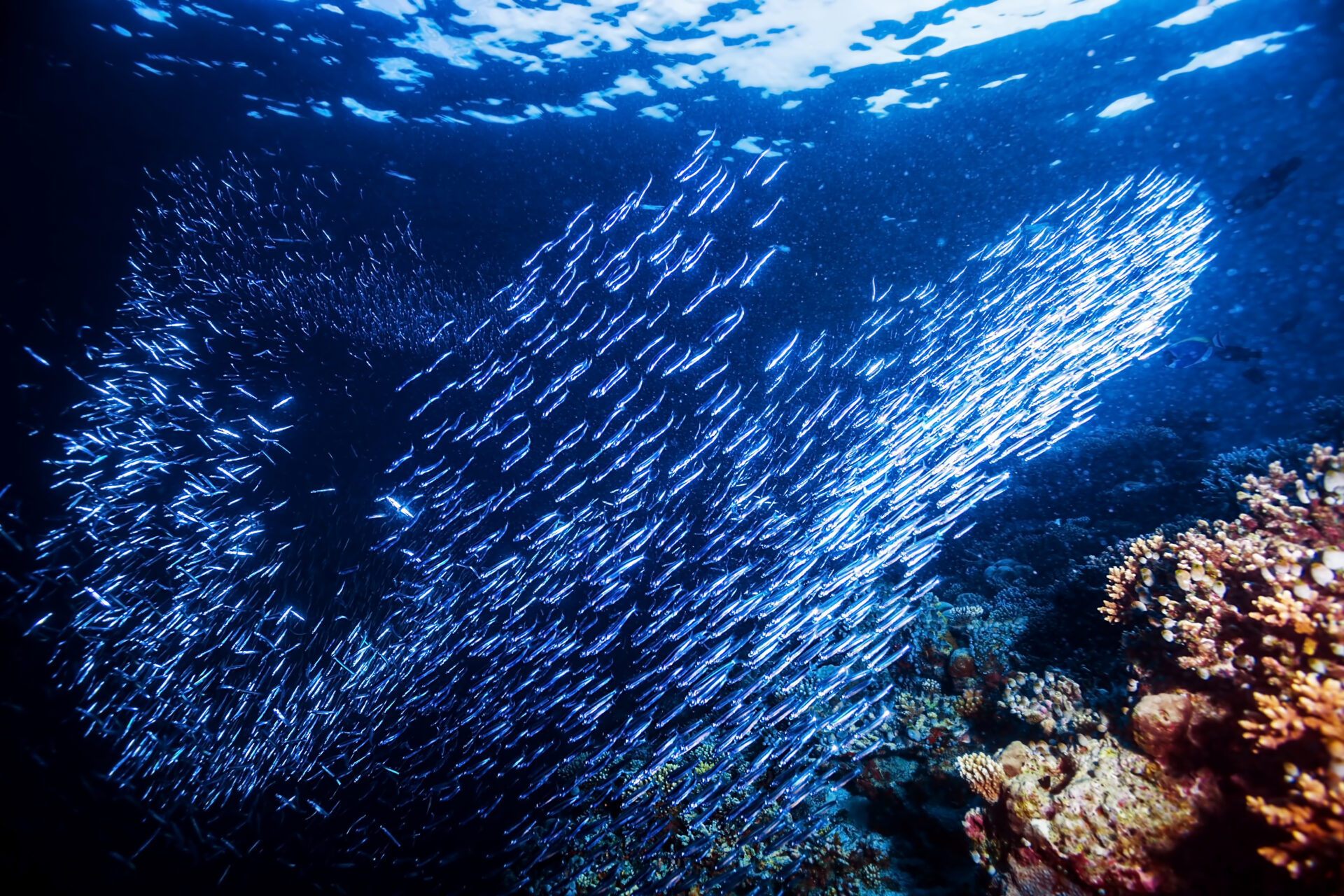
Millions of servings of sustainably sourced fish are being lost each year, with data from a study of thousands of tropical reefs showing that reef fish stocks could provide much more if sustainably maintained.
Coral reef fish are a critical source of nutritious food for many tropical communities, and managing such resources sustainably offers potential food security benefits, especially for nations facing high burdens of malnutrition.
“Well-managed reef fisheries can deliver sustainable supplies of nutritious aquatic foods while helping reef ecosystems and dependent communities increase their resilience to other stresses,” says Jessica Zamborain-Mason, interdisciplinary marine scientist at KAUST, who led the international research team. “Millions of people are losing out on sustainably sourced and nutritious food supplies.”
According to Zamborain-Mason, the finding underscores the need for effective reef fisheries management as the global burden of malnutrition grows each year and reef ecosystems face unprecedented pressures from climate change[1].
Reef fisheries are inherently complex. They capture many species at once and are often located in data-poor regions with limited monitoring and management. This makes it difficult for scientists to collect and analyze data to assess their sustainability levels.
“What’s different now is the availability of large, fisheries-independent datasets that compile reef fish and associated information from across the globe,” says Zamborain-Mason. “These new datasets reveal patterns that were not visible with localized and scattered data.”
The team analyzed global data from 1,211 individual reef sites and 23 jurisdictions that had been identified as being below their maximum production levels. Rather than focusing on loss, the research team investigated what could be gained from replenishing reef fish stocks and ensuring that reef fisheries are sustainably managed.
Their results show that allowing fish stocks to recover could generate from 20,000 up to 162 million additional sustainable servings of reef fish annually, depending on the jurisdiction. For individual jurisdictions such as Indonesia, this could provide fish intake recommendations for an additional 1.4 million people per year. However, to achieve this requires active recovery of fish stocks, with many reefs needing to double their current biomass.
While recovery timeframes will depend on the state of depletion, the researchers estimate that, on average across all reefs examined, recovery could take from six years to almost 50 years, depending on the level of fishing allowed.
“If nations invest now in sustainably rebuilding their reef fishery resources, they can increase long-term yields and aquatic food supplies,” says Zamborain-Mason. “This could reduce their reliance on imports, improve nutritional and health outcomes, and boost ecosystem and economic resilience.”
Zamborain-Mason hopes their findings will encourage rigorous and systematic reef fisheries monitoring and management, while also raising awareness of the critical role of fisheries management for human health.
Such interventions could include greater investments in fisheries monitoring, management and enforcement, and the integration of fisheries into future food security plans and policies. Zamborain-Mason also considers that Saudi Arabia has the potential to provide a world-leading example of climate-resilient and sustainable reef fisheries management.
“By improving our understanding of reef fisheries and aquatic food systems in the region, we can provide scientifically grounded management information and support the Kingdom’s mission centered on sustainability, food security, and public health,” concludes Zamborain-Mason.
Reference
- Zamborain-Mason, J., Cinner, J.E., MacNeil, M.A., Beger, M., Booth, D., Ferse, S.C.A., Golden, C.D., Graham, N.A.J., Hoey, A.S., Moulliot, D., & Connolly, S.R. Potential yield and food provisioning gains from rebuilding the world’s coral reef fish stocks. PNAS 122, 51 (2025) | article.
ABOUT THE AUTHOR
Jessica Zamborain-Mason
Assistant professor

You might also like
Marine Science
Sustainable seafood sources could help close global nutrition gaps
Marine Science
Corals show ‘vaccine-like’ responses after pathogen exposure
Marine Science
Tracing 700 million years of cell evolution
Marine Science
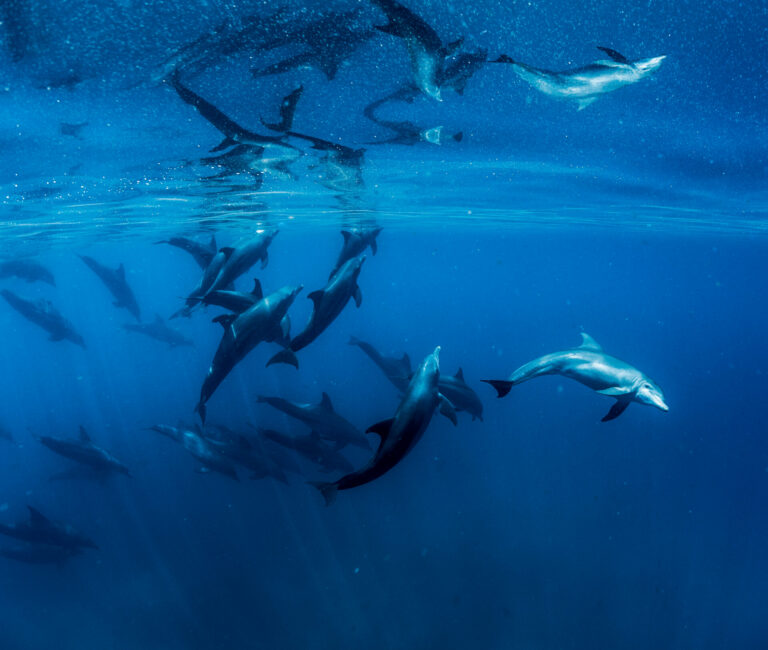
Mapping movements of marine megafauna shows protection must go further
Marine Science
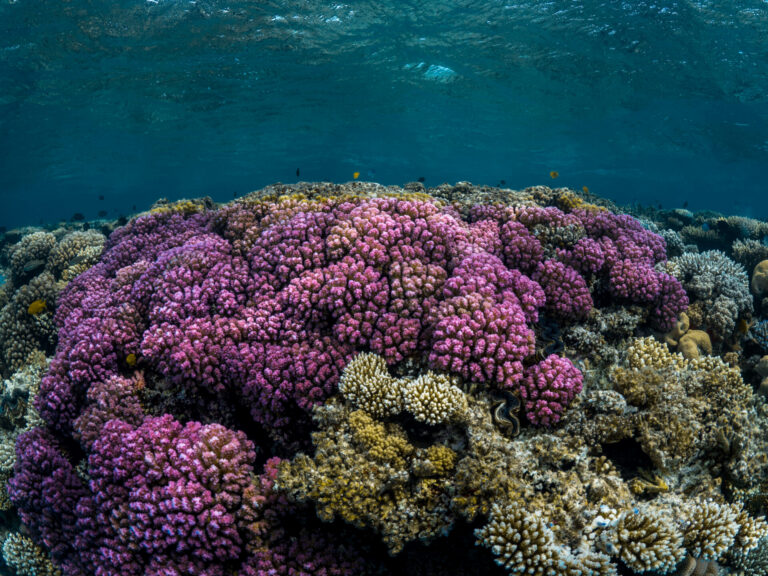
Red Sea coral absorbs chemical contamination
Marine Science
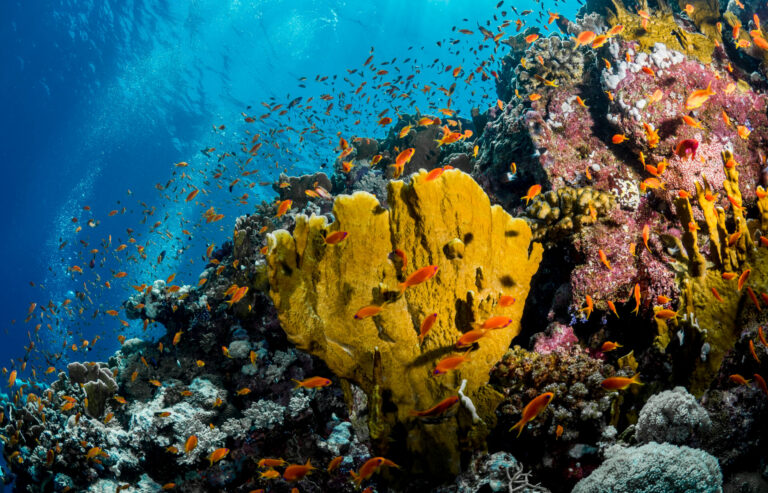
Buying time for coral reefs
Marine Science
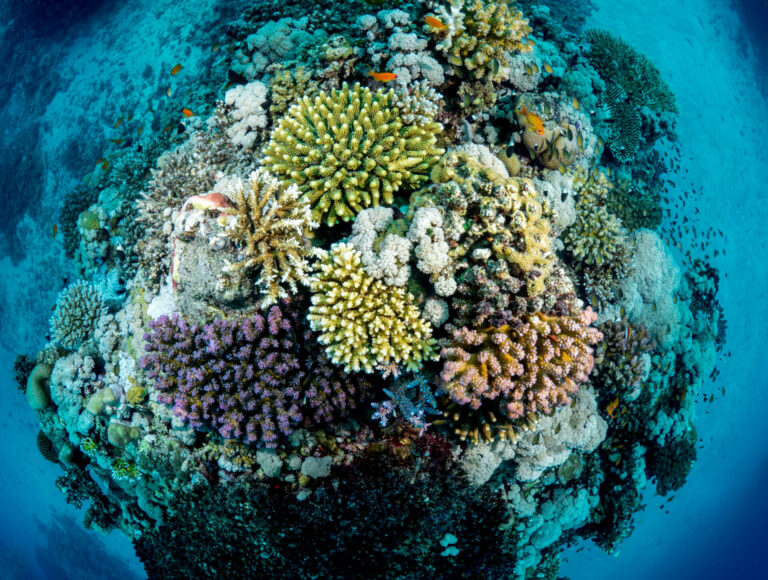
Measuring spatial differences in reef-building corals to guide future management
Marine Science