

Marine Science
Red Sea coral absorbs chemical contamination
Red Sea corals accumulate pharmaceuticals, pesticides, and other human-derived contaminants across reefs along the central Red Sea coast.


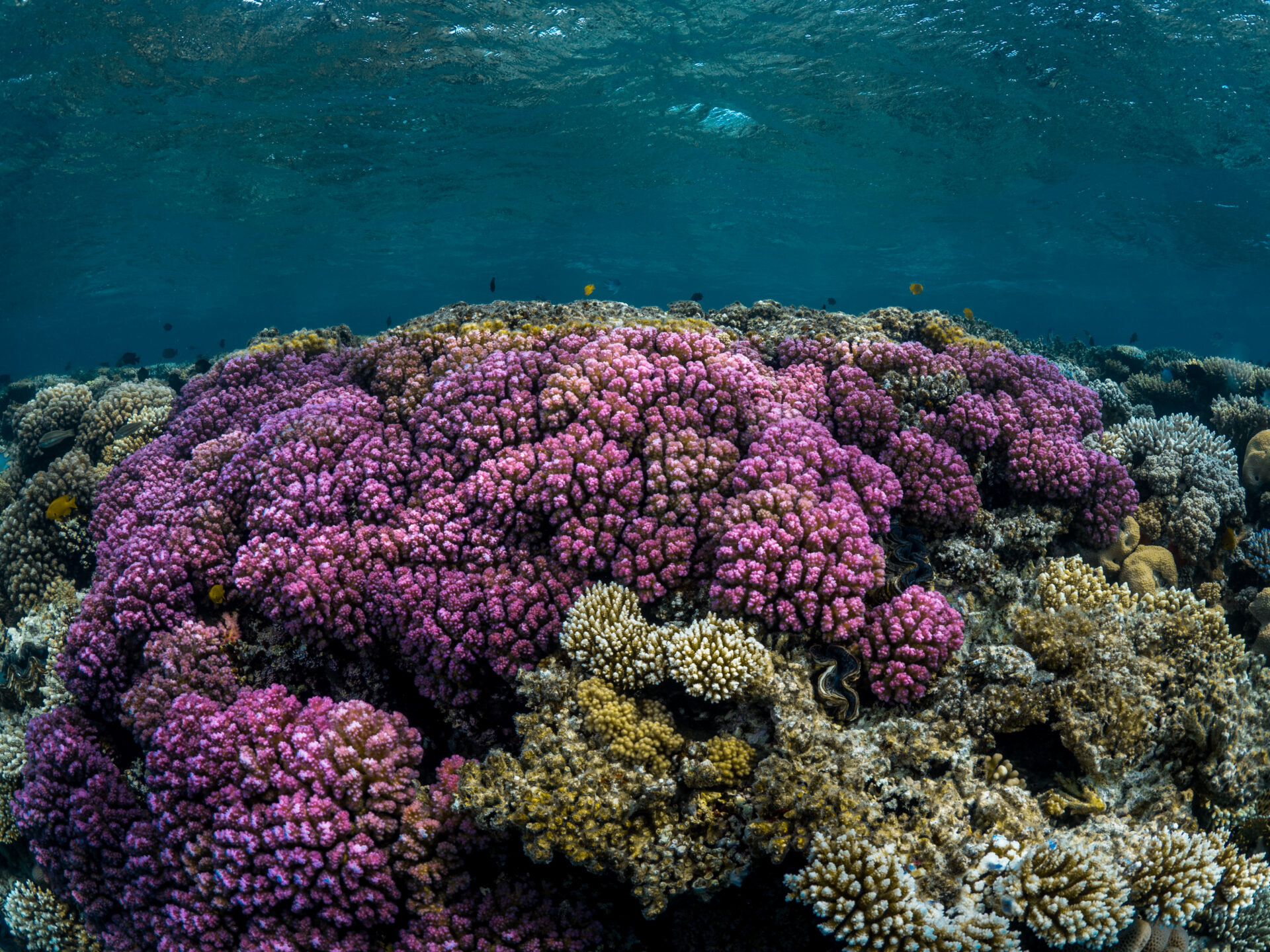
Ten contaminants of emerging concern (CEC) have been found in one of the Red Sea’s most abundant corals, Pocillopora favosa, in a survey of coral reefs along the central Red Sea coast[1]. This highlights how the expansion of human activities and development along the world’s coastlines is having significant effects on coastal and marine environments, not least the increase in effluent discharge into coastal waters.
“CECs are chemicals that originate from human activities, such as pharmaceuticals, steroid hormones, cosmetics and pesticides. The release of most CECs into the environment is not regulated or continuously monitored,” says Mariana Rodrigues, a Ph.D. student who worked on the project under the supervision of Susana Carvalho. “Corals are critical to reef biodiversity, so it is vital to determine whether they are exposed to or affected by these pollutants.”
Saudi Arabia is undergoing rapid coastal development through tourism and urban expansion, which may increase the release of chemical compunds into regional marine systems. The research team sought to establish baseline levels of contamination on local coral reefs now, in order to track changes in the future.
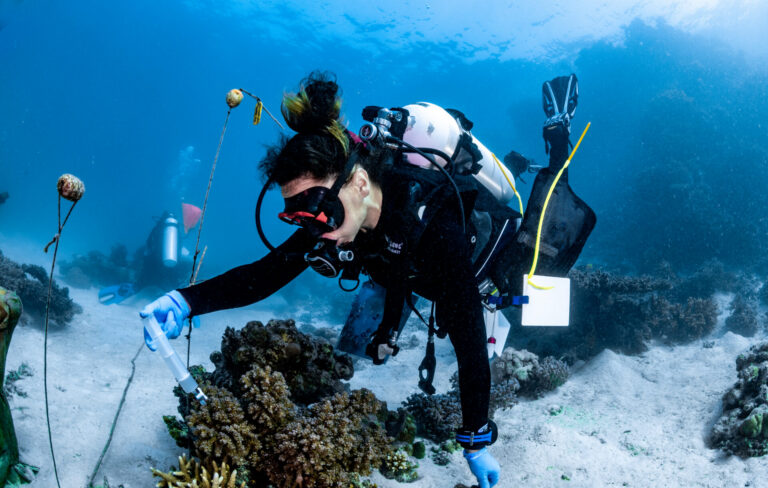
The widespread distribution of the reef-building coral Pocillopora favosa allowed the team to study CEC accumulation in coral tissues across 15 onshore and offshore reefs. Each reef had different levels of exposure and proximity to human development. The team focused on 10 pollutants from different classes, including antibiotics, anti-inflammatories, bronchodilators used in asthma inhalers, and herbicides.
The researchers examined CEC concentrations in both seawater and coral tissue samples, and detected most of their targeted CECs at nearly every site. Notably, the asthma medication salbutamol was found to accumulate in coral tissues relative to surrounding seawater at 81 percent of sites, while the herbicide atrazine was detected at 72 percent of sites. These results highlight the widespread presence of such contaminants in the region.
“While previous studies have detected pharmaceuticals in coastal waters, this research shows that corals are absorbing and accumulating these pollutants,” says Rodrigues. “We also uncovered an unexpected pattern: some contaminants were found in higher concentrations offshore rather than near the coast, suggesting that ocean currents and biological processes can transport and concentrate pollutants far from their original sources.”
Corals can act as biological indicators of long-term chemical exposure, providing scientists with a way to monitor contamination over time rather than relying on snapshots of pollution levels in seawater. Managing pollution from CECs will be challenging, notes Rodrigues, but a combination of strategies can help reduce their impact.
“For example, overprescription and improper disposal of pharmaceuticals contribute significantly to contamination, so help could come through public awareness campaigns and proper medication take-back programs,” she explains.
Data collection and monitoring are critical to determine where and how these chemical residues enter marine environments, while advanced filtration and membrane technologies can remove many CECs before they reach the sea.
“We’d like to see concerted efforts to set limits on the amount of pollutants that can be discharged by industry and wastewater facilities, together with stricter surveillance,” says Rodrigues.
“Our monitoring efforts will continue, and additional results from the city of Al Lith will be published soon,” concludes Carvalho. “Future work will examine other reef organisms, including algae and fish, to better understand how these contaminants move through the marine ecosystem.”
Reference
- Branco, M., Rodrigues, M., Justo, M.S.S., Curdia, J., Witkamp, G-J., Farinha, A. & Carvalho, S. Widespread bioaccumulation of contaminants of emerging concern in Red Sea coral reefs: Evidence from Pocillopora favosa. Marine Pollution Bulletin 227, 119458 (2026) | article.
ABOUT THE AUTHOR
Mariana Rodrigues
Ph.D. student

You might also like
Marine Science
Sustainable seafood sources could help close global nutrition gaps
Marine Science
Corals show ‘vaccine-like’ responses after pathogen exposure
Marine Science
Tracing 700 million years of cell evolution
Marine Science
Mapping movements of marine megafauna shows protection must go further
Marine Science
Buying time for coral reefs
Marine Science
Measuring spatial differences in reef-building corals to guide future management
Marine Science
Potential gains from replenishing reef fish stocks revealed
Marine Science