

Environmental Science and Engineering
Soil biodiversity is an overlooked frontline of disease prevention
Soil biodiversity is essential for farming and climate stability, but new research shows it may also play a critical role in human health. Intensive agriculture and climate change are rapidly degrading this biodiversity, potentially increasing disease risk.


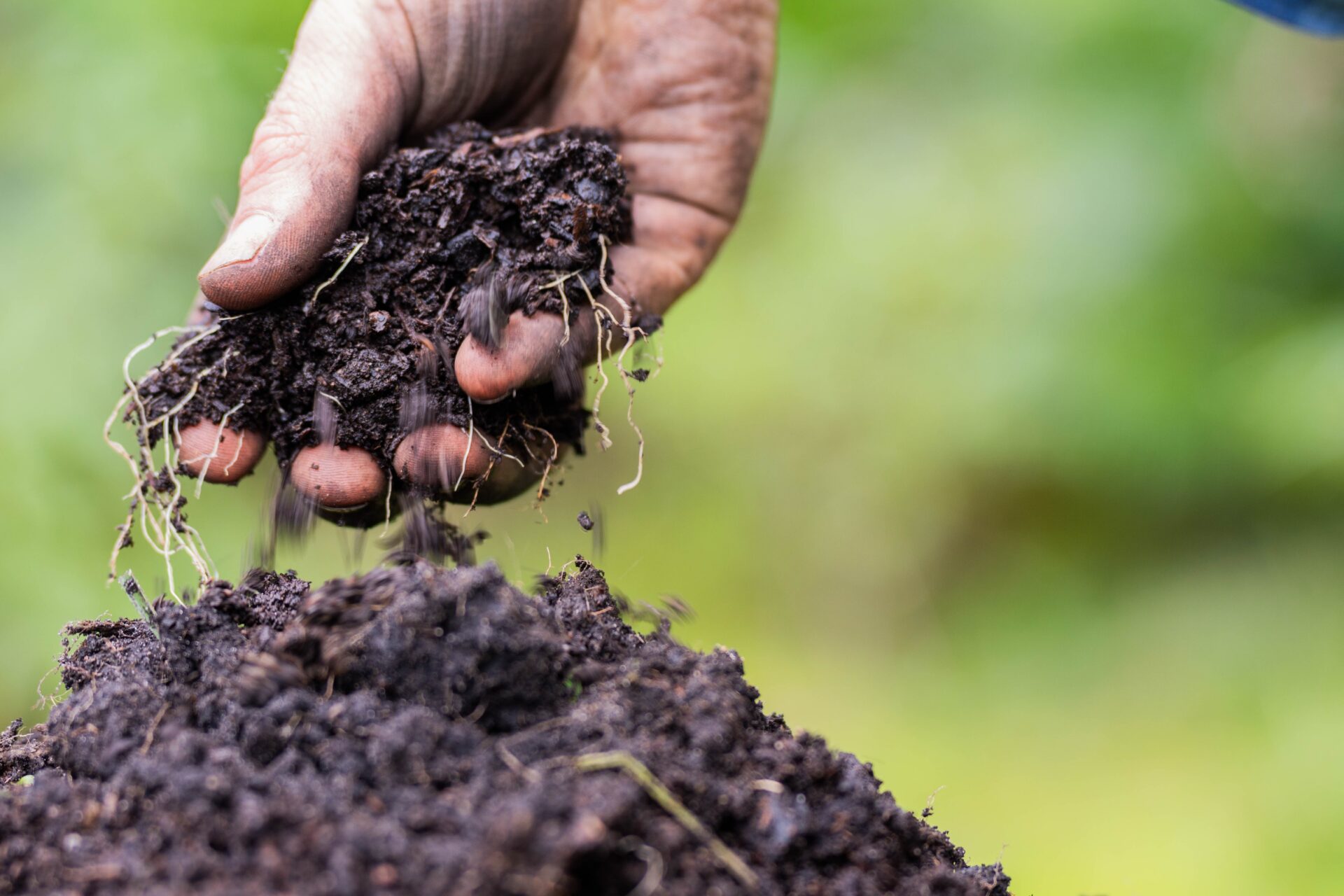
Healthy soils are teeming with life, including bacteria, fungi, viruses and other microbes, collectively known as the soil microbiome. Now, global research suggests that when this biodiversity is reduced, soil-dwelling human pathogens may be more likely to gain a foothold. As climate change makes many regions warmer and wetter, those risks are likely to grow, particularly in intensively managed agricultural landscapes. This insight comes from a comprehensive global assessment of soil-dwelling pathogens that provides important information to help guide pathogen surveillance, risk prediction and land management strategies aimed at reducing disease outbreaks.
KAUST’s Fernando Maestre was part of the study, led by the University of Western Australia, which analyzed 1,602 soil samples from 59 countries. The team identified 80 bacterial taxa classified as potential soil-inhabiting human pathogens[1]. Among these, 25 taxa were identified as dominant because they were widespread, present in at least 80 percent of samples, and highly abundant within the pathogen community.
Using the data, the team produced global maps of how the bacteria are currently distributed and how they are likely to be distributed under predicted climate change scenarios.
Soil biodiversity and global warming
The broad trends are concerning. The results showed a positive correlation between temperature and relative abundance of dominant human pathogens, indicating a possible increase of these soil-dwelling bacteria under global warming scenarios. Pathogens were found to be more common in wet ecosystems in tropical and temperate regions and particularly abundant in cropping soils.
The analyses also showed links between pathogen prevalence and global patterns of mortality from infectious diseases. For example, the predicted global map of Mycobacterium tuberculosis complex showed a pattern comparable with the global tuberculosis map estimated by the World Health Organization (WHO).
“Our models suggest that many dominant soil-inhabiting bacterial pathogens are likely to increase in relative abundance under future climate scenarios, particularly in regions that become warmer and wetter,” says Maestre, who coordinated samples from a global dryland survey, an important component of the global soil dataset analysed in the project.
A significant finding was not just where the pathogens were most prevalent, but also where they were scarce. Areas with more diverse soil microbiomes were associated with lower pathogen abundance. This pattern suggests that increasing soil microbial diversity can potentially reduce the proliferation of plant and human pathogens, such as E. coli.
These patterns of pathogen distribution have profound implications for disease prevention that extend well beyond the public health sector.
“An important message from the study is that protecting soil biodiversity, improving soil health and monitoring environmental reservoirs of pathogens should become part of strategies to reduce future disease risks, especially under climate change,” Maestre says.
“Our maps can help countries identify where environmental monitoring should be prioritised, for example in humid, tropical and temperate regions, wetlands, farmlands, and areas expected to become warmer or wetter with climate change.”
The results provide global baseline data for developing effective surveillance and predictive tools to improve risk assessment and management strategies associated with human bacterial pathogens and to support the WHO One Health approach, where soils, water, crops, animals and humans need to be considered together.
Monitoring soils, especially in areas prone to flooding, heavy rainfall, intensive agriculture or biodiversity loss, could provide an early-warning system that complements clinical surveillance. This could help identify environmental hotspots where the risk of exposure to some pathogens may be higher.
However, Maestre cautions that the maps do not forecast future disease outbreaks directly.
“Whether environmental pathogens lead to infections depends on many other factors, including exposure routes, sanitation, land use, healthcare systems, socioeconomic conditions, host susceptibility and public health policies,” he notes.
He believes there is an urgent need to identify the major environmental drivers and global distribution of soil-inhabiting human pathogens to develop effective tracking, predict future distributions and improve risk management strategies linked to infectious diseases.
Monitoring and surveillance
While environmental monitoring is already being used in some forms, most notably wastewater surveillance, monitoring of soil-dwelling human pathogens is far less developed. “Technically, implementing this type of monitoring is becoming increasingly feasible because the sequencing and bioinformatic tools needed to detect pathogens from environmental samples are now available,” says Maestre.
In fact, the study team used these tools, including shotgun metagenomics, quantitative PCR, whole-genome-based analyses and machine learning, which he says can be adapted for monitoring programs, particularly for priority pathogens and high-risk locations.
Key challenges to implementing such systems are also organisational and financial. Countries would need to establish or access standardised sampling protocols, long-term monitoring sites, laboratory capacity, reference databases, and strong links between environmental agencies, agricultural authorities and public health systems.
Although this study focused specifically on bacterial pathogens, soils also harbour fungi, viruses, and other organisms that can affect human, animal and plant health. While they need to be studied separately, Maestre says the broad message is clear: Soil biodiversity is not just an environmental asset; it is public‑health infrastructure. Protecting and restoring it should be viewed as part of a One Health approach that recognises the interconnectedness of soils, water, crops, animals and people.
“We need to better understand the environmental reservoirs of pathogens, not only the clinical cases they cause. Future work should expand this approach to fungal and viral pathogens and, ideally, integrate them into a broader environmental surveillance framework.”
Reference
- Xiong, C., Delgado-Baquerizo, M., Liang, J., Wang, J., Yan, Z., Jensen, S.O., Gao, M., Sáez-Sandino, T., Guirado, E., Muñoz-Rojas, M., Román, R., Maestre, F.T., Singh, B.K. Soil microbial diversity associates with lower prevalence of human bacterial pathogens across global soils. Cell Host & Microbe (2026) | article
ABOUT THE AUTHOR
Fernando Maestre
Professor

You might also like

Environmental Science and Engineering
Soil microbes are source of plastic-degrading enzymes
Environmental Science and Engineering
Bringing together the tools to harness the potential of microbial diversity
Environmental Science and Engineering
Climate action needs a tree change

Chemical Engineering
Natural solvents enable fully bio-based membranes

Environmental Science and Engineering
Plant diversity reduces the impacts of grazing pressure in drylands

Environmental Science and Engineering
Water-repelling surfaces reveal surprising charging effects

Environmental Science and Engineering
Ultrathin water repellent membrane advances desalination
Environmental Science and Engineering