

Computer Science | Electrical Engineering
AI-based hydrogen plant models improve power grid stability
Realistic AI models of hydrogen plants help stabilize power grids with high levels of renewable energy.


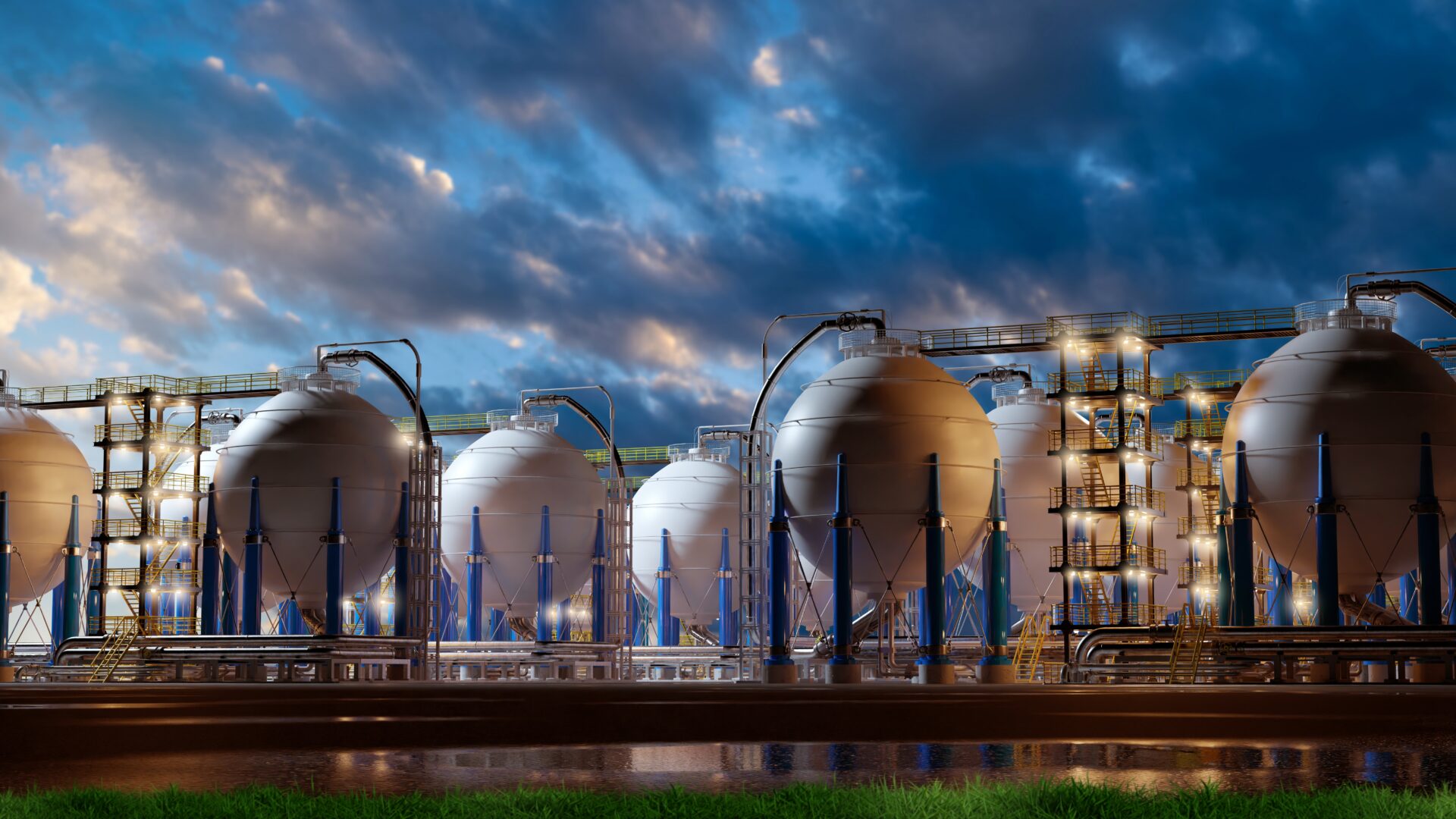
Hydrogen production plants, or electrolyzer systems, are set to help improve grid stability as more renewable energy sources, such as wind turbines and solar panels, are integrated into power grids. An AI-based approach developed at KAUST models how electrolyzer plants can support power grids by regulating power consumption[1].
Unlike conventional rotating generators, renewable energy sources rely on electronic power converters to produce alternating current for grid integration, which means they have little to no inherent inertia. This leads to faster frequency drops and deeper nadirs — the lowest frequency reached after a disturbance — and makes the grid more vulnerable to imbalances between supply and demand.
Electrolyzers generate clean hydrogen gas by splitting water through electrochemical reactions, using technologies such as alkaline water electrolysis. With their fast response, they offer a promising solution to grid instability. Yet, traditional models focus only on the fast-reacting electrolyzer core, or electrochemical stack, and ignore the auxiliary systems, such as pumps, coolers, and thermal loops. These subsystems can consume a sizeable amount of power (up to 24 percent of plant power) and respond more slowly. This results in an incomplete depiction of how effectively electrolyzers can stabilize grids through balancing frequency fluctuations.
Now, a team, led by cyber systems and power grid infrastructure scientist Charalambos Konstantinou, and Ph.D. student Gokul Krishnan, have designed a model that considers hydrogen electrolyzers as full process plants. Unlike its stack-only counterparts, the model assigns different time constants and ramp limits to each plant component.
“Our work goes further by including auxiliary components and demonstrates that these components significantly influence how the plant responds to changes in electricity demand,” Krishnan says.
The researchers used AI-based simulations and real-time testing to model and capture the tightly coupled electrical and thermodynamic behavior of stack and auxiliary components. They integrated the model with a model‑predictive controller that coordinates the subsystems while respecting safety and hydrogen‑production constraints.
Simulations showed that the model improved the frequency nadir. It does this by adjusting electrolyzer power consumption when load changes or a generator trips. Assessments of systems with varying renewable penetration levels showed that, under load change, the model enhanced frequency stability and reduced the settling time in the low-inertia power systems.
By considering the entire plant, the team showed how its components work together to manage frequency fluctuations and provided a more accurate representation of electrolyzer performance.
“This will also help system planners and operators understand the actual capability of electrolyzers to enhance grid reliability,” Krishnan says.
The model produced lower frequency nadirs than its stack-only predecessors, which is a more accurate picture of how electrolyzers behave and key to correct grid service assessment. When load change levels increased, the model became more responsive, but its ability to modulate power became more constrained by the auxiliary components.
The team is working to extend the applicability and robustness of the model in real-world operations. To this end, they are exploring varying ambient conditions, different water purity levels, and membrane degradation aging effects.
Reference
- Krishnan, S.G., Aftab, M.A., Ahmed, S. & Konstantinou, C. Multi-rate fast frequency regulation with high fidelity neural network model of the electrolyzer process. IEEE Transactions on Sustainable Energy, 1–17 (2026).| article.
ABOUT THE AUTHOR
Gokul Krishnan
Ph.D. student

You might also like
Electrical Engineering
Wearable microneedle patch could improve drug monitoring

Computer Science
Virtual reality headsets open a window into the mind

Electrical Engineering
Laser security system protects online data

Applied Physics
Colorful solution to advanced disease diagnosis
Electrical Engineering
Seeing smarter with a light-controlled synaptic device
Bioscience
Can AI finally bring order to biology’s data deluge?
Electrical Engineering
Gallium oxide electronics withstand extreme cold

Electrical Engineering