

Plant Science
Tiny DNA fragments, big agricultural insights
A new genomic approach is helping improve crop resilience.


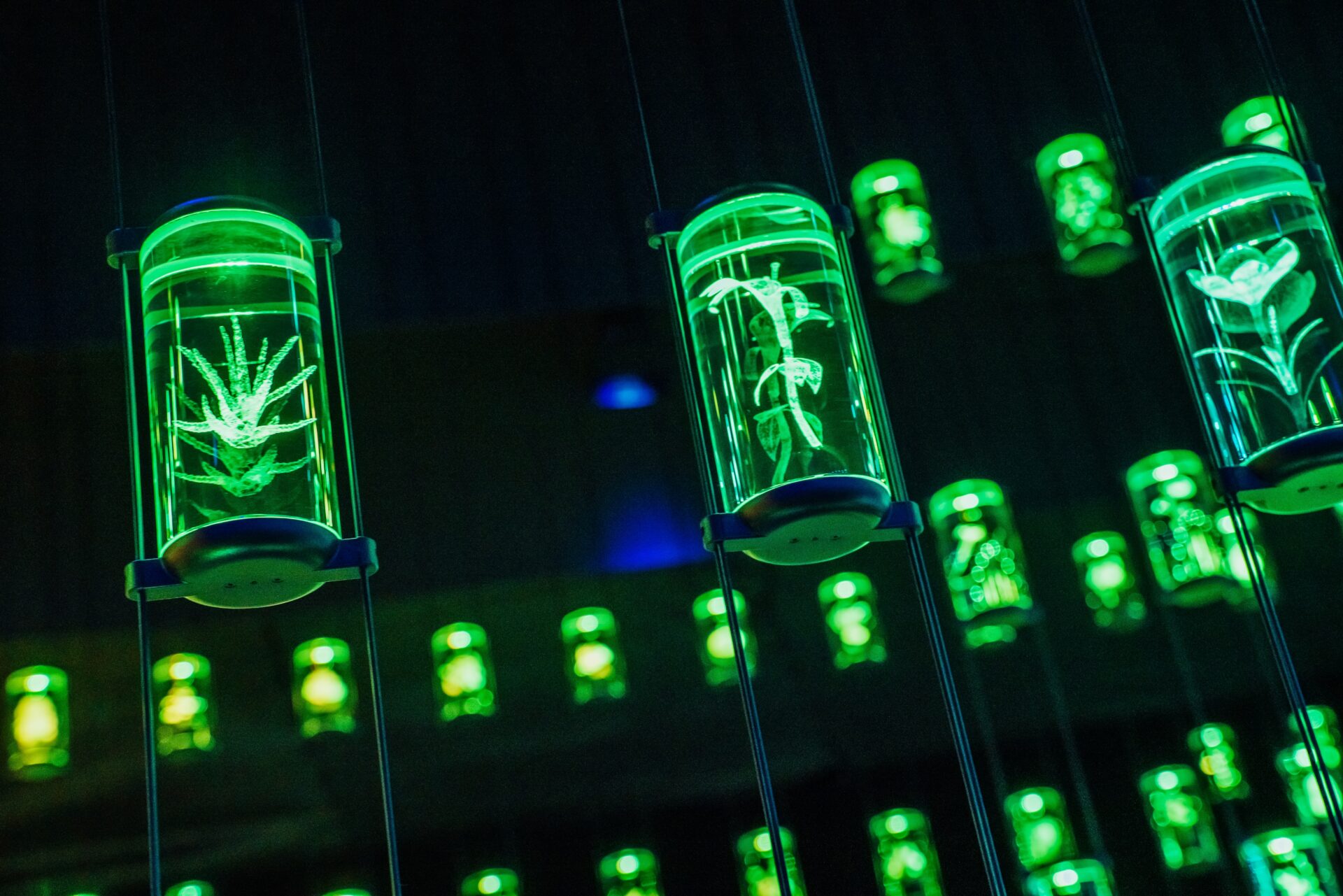
The genes that could help the world’s crops survive drought, heat and disease probably already exist. But much of this genetic diversity remains hidden within ancient plant varieties and forgotten seed collections, among millions of DNA differences that are difficult to spot.
Now, a new way of reading crop genomes is helping scientists uncover these variations.
Instead of comparing plant DNA to a single reference genome, researchers are beginning to scan genomes as collections of tiny fragments known as k-mers. These short strings of genetic code, tipically a few dozen DNA bases long, act like molecular barcodes, allowing scientists to quickly identify which fragments appear in which plants. That makes it possible to compare genetic variation across thousands of samples simultaneously[1].
The approach is opening a new window into the vast genetic diversity within corn, rice and other major food crops that feed billions of people but face growing pressure from climate change. Scientists at KAUST are at the forefront of this work.
From large-scale genomic surveys of bread wheat and its wild relatives to new strategies for mining diversity in global seed banks, researchers are showing how k-mer–based analyses can identify rare genetic differences that were lost as crops were bred into modern varieties. Because the method can scan thousands of plants at once, it helps quickly pinpoint where useful traits exist across large seed collections.
These tools are beginning to transform seed banks from static archives into dynamic research resources, helping breeders identify plants that carry valuable traits.
“Representing genomes as collections of k-mers provides a scalable way to capture and compare genomic diversity across large datasets,” says Simon Krattinger, associate professor of plant science at KAUST.
“The goal is to rapidly identify, test, and introduce genetic diversity for specific genes into crop improvement pipelines,” he adds. “This represents a significant change in how breeders and researchers will use gene banks in the future.”
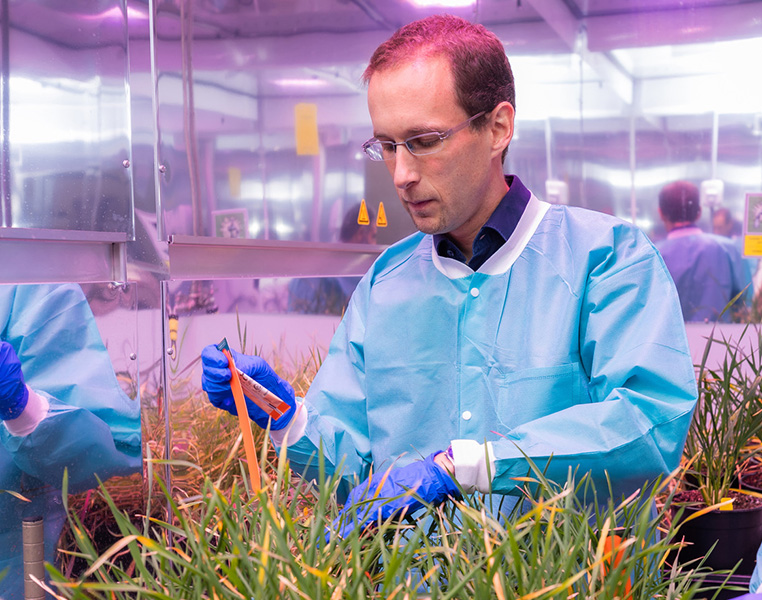
Many KAUST investigators, including Ikram Blilou, Jesse Poland, Rod Wing, and Brande Wulff, all faculty members of the Plant Science program in the Biological and Environmental Science and Engineering Division, are using k-mer approaches to study the genomes of crops and desert-adapted plants, from date palm and pomegranate to thorn jujube and other species native to Saudi Arabia. Few plants, however, demonstrate the value of k-mer genomics as clearly as wheat, one of the most widely cultivated crops in the world.
In 2024, Krattinger and Wulff spearheaded the development of a new genomic resource for Tausch’s goatgrass (Aegilops tauschii), a wild grass from which part of modern bread wheat’s complicated genome originally came[2].
The researchers sequenced the genomes of dozens of goatgrass plants collected from across the species’ natural range, from Turkey in the west to China in the east. They then broke each genome into millions of k-mers and combined these overlapping DNA fragments into a large searchable database. By comparing goatgrass genomes with modern wheat varieties, the team identified how much genetic diversity had been lost during thousands of years of domestication.
“Those missing genes represent the raw material for selection and breeding,” Krattinger explains. “Reintroducing them is a key priority for crop improvement,” he adds.
As a proof of concept, the researchers focused on a goatgrass gene that protects against a destructive fungal pathogen. According to Krattinger, this disease-resistance gene offers a promising starting point for breeders looking to develop crops that can better withstand fungal infections, a major cause of yield losses in wheat harvests worldwide.
More recently, Krattinger and his former Ph.D. student, Emile Cavalet-Giorsa, used k-mer–based methods to trace the origin of a key genetic changes that enabled wheat domestication: grain retention[3].
In wild cereal plants, mature seed heads typically shatter, allowing grains to fall and disperse — a process that supports natural reproduction but complicates harvesting. Early farmers therefore selected plants whose seeds remained attached to the stalk.
The k-mer–based analyses showed that this trait did not result from a single mutation that farmers selected, as previously believed. Instead, multiple mutations responsible for keeping wheat grains attached appeared in wild wheat populations tens of thousands of years before agriculture began. These pre-existing variants, scattered across different wild populations, were likely later combined and selected by early farmers.
The findings reinforce a central lesson of the KAUST team’s work: many of the traits needed for future crop improvement may already exist in seed banks and wild plants. With continued advances in k-mer genomics, these vast collections may become searchable maps of crop diversity and a an important resource for crop breeding.
Reference
- Backhaus, A.E., Quiroz-Chavez, J., Dreisigacker, S., Cavalet-Giorsa, E., Uauy, C. & Krattinger, S.G. k-mer–based approaches to unlock genebank genomics for targeted crop improvement. Nature Genetics (2026).| article
- Cavalet-Giorsa, E., Gonzalez-Munoz, A., Athiyannan, N., Holden, S., Salhi, A., Gardener, C., … Krattinger S.G. 2024. Origin and evolution of the bread wheat D genome. Nature 633, 848-855 (2024).| article
- Cavalet-Giorsa, E., Wicker, T. & Krattinger, S.G. bioRxiv (2026).| article
ABOUT THE AUTHOR
Simon Krattinger
Associate Professor

You might also like
Plant Science
Beneficial bacterium helps plants stay fertile in the heat
Plant Science
Uncovering the secret to grass’s salty success
Plant Science
Chlorophyll enzyme boosts heat tolerance in Arabidopsis plants
Plant Science
Coevolution of the microbiome with its host plant supports environmental adaptation
Bioscience
Hidden flexibility in plant communication revealed
Plant Science
Reference genomes for rice’s wild relatives may boost future crops
Bioscience
Digging into the world of plant-growth-promoting microbes

Environmental Science and Engineering