

Plant Science
Coevolution of the microbiome with its host plant supports environmental adaptation
Soil shapes a host gene and the microbiome, enabling growth in low pH, iron-rich conditions.


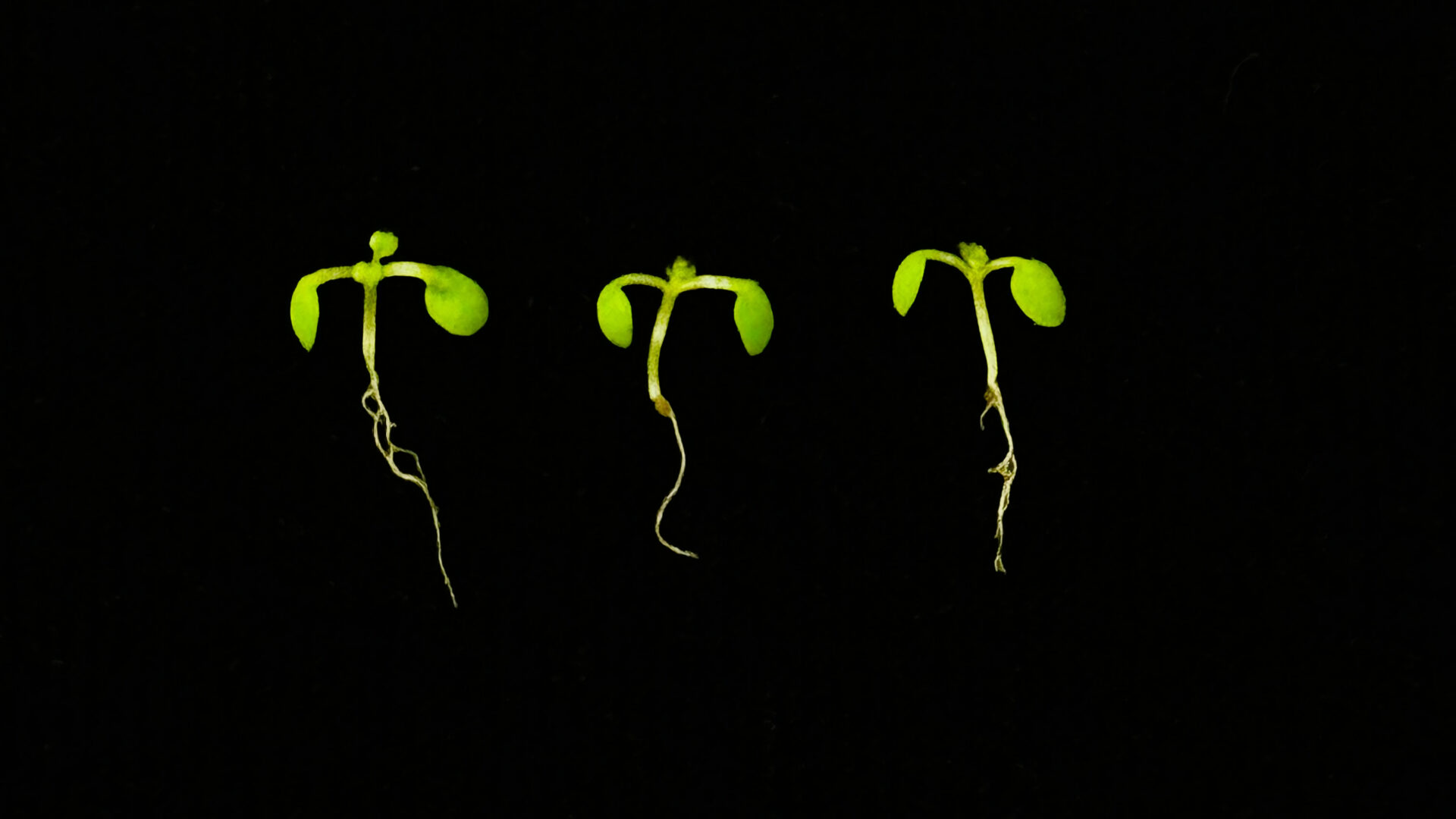
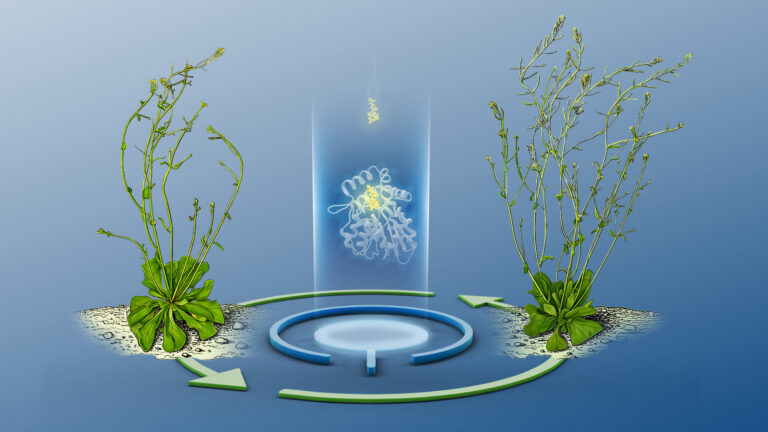
All plants are holobionts: they survive and thrive thanks to complex interactions with their associated microbial communities, or ‘microbiomes’. KAUST researchers have shown for the first time that a specific gene in the host genome shapes the seed microbiome of Arabidopsis thaliana plants, so that they can grow in low pH, iron-rich soils[1].
“There have been many studies on microbiomes in different parts of plants – in the roots, leaves and fruits – but little is known about the seed microbiome, which is where each plant begins its life,” says postdoc Sabiha Parween, who worked on the project under the supervision of Heribert Hirt. “We wanted to understand if the host genome inside the plant helps to shape the composition of the seed microbiome, and if so, how it does this.”
Arabidopsis thaliana has been a model organism in plant science for decades. The team had access to 250 naturally occurring accessions, or varieties, of the plant collected from different locations across the globe. They investigated the diversity of seed microbiomes in these different accessions.
“Our previous seed microbiome study into millet showed that differences in seed microbiomes reflected varying lifestyles of accessions depending on geographical, environmental and soil particularities,” says Hirt. “However, we lacked a causal genetic proof for this conclusion. Now, we’ve found similar variations in Arabidopsis, and this time we’ve also found a causal link between the host genome and the seed microbiome.”
All 250 Arabidopsis accessions had already been genetically sequenced, enabling the team to conduct a genome-wide association study (GWAS) to search for the genes responsible for specific microbiome structures in particular accessions. Through GWAS, the researchers proved that certain microbial networks co-evolve alongside the Arabidopsis genome, helping the plants to adapt and thrive on particular soils.
“In Arabidopsis thaliana, host genetic variations across accessions associate directly with seed microbiome variations,” says Parween. “Also, the relative abundance of different microbial groups in the microbiome varied from genotype to genotype, and can be influenced by external factors, such as climatic conditions.”
Digging deeper, the team identified a gene in Arabidopsis – one that encodes the RNA-binding protein RPB47B – that deliberately shapes the seed microbiome. This genetic trait enables the plant to thrive in low pH soils with a high iron content, typical of northern latitudes.
“Too much iron in soils causes reactive oxygen species to accumulate, which damages plant DNA and growth,” says Hirt. “The gene we’ve pinpointed is responsible for enabling plant growth under these particular conditions, and we believe there is a co-evolution taking place. The host genome ensures that the plant recruits and passes on the right microbes to support the growth of future generations under low pH, high iron conditions.”
This gene is also found in many crop plants and has previously been identified as a marker of stress, though not specifically for iron toxicity. The researchers’ findings could provide actionable insights into crop development for iron-rich soils.
“If you’re working in plant genomics from now on, you can’t forget about the microbes,” concludes Hirt. “Plant genomics has to become holobiont genomics, and shaping seed microbiomes holds potential to improve crop growth.”
Reference
- Parween, S., Tabassum, N., Shekhawat, K., Gnannt, B., Alzayed, W., Jalal, R. & Hirt, H. Host genome and bacterial taxa shape the Arabidopsis seed microbiome. EMBO Reports (2025).| article.
ABOUT THE AUTHOR
Sabiha Parween
Postdocs

You might also like
Plant Science
Beneficial bacterium helps plants stay fertile in the heat
Plant Science
Uncovering the secret to grass’s salty success
Plant Science
Chlorophyll enzyme boosts heat tolerance in Arabidopsis plants

Plant Science
Tiny DNA fragments, big agricultural insights
Bioscience
Hidden flexibility in plant communication revealed

Plant Science
Reference genomes for rice’s wild relatives may boost future crops
Bioscience
Digging into the world of plant-growth-promoting microbes

Environmental Science and Engineering